Quick answer
Paragliding safety in Switzerland is supported by mandatory pilot certification through the Swiss Hang Gliding and Paragliding Association, equipment inspections every two years, and tandem-specific licensing that requires 40 documented solo flights before carrying passengers. Commercial operators report accident rates below 0.02% for tandem flights, with most incidents involving minor injuries during landing. Weather-related cancellations are common and enforced, meaning your flight may be postponed but rarely proceeds under marginal conditions.
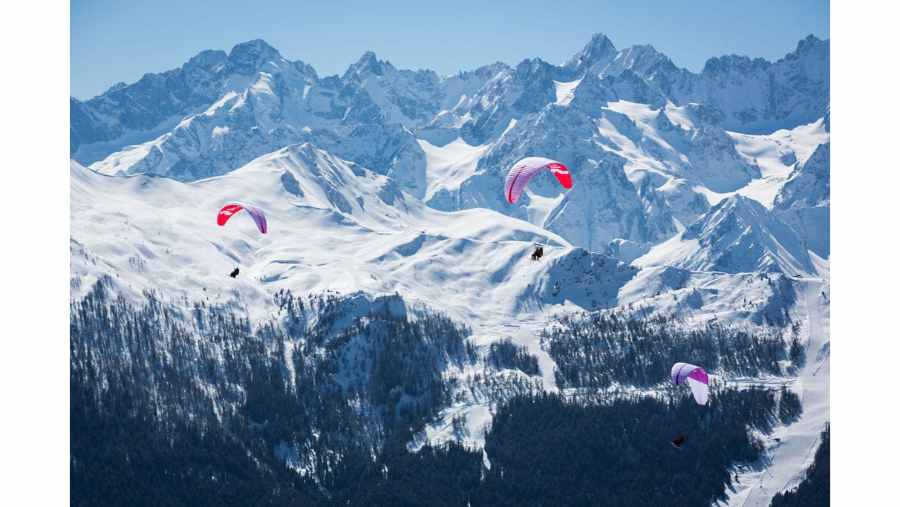
Switzerland logs approximately 55,000 registered paraglider pilots and records fewer than 30 serious accidents per year across all categories of flight, according to federal aviation statistics. The distinction between recreational solo pilots and commercial tandem operators matters: tandem flights carry separate insurance requirements, stricter weather thresholds, and pilots who hold a specialized endorsement beyond the standard paragliding license. Tandem paragliding over the Swiss Alps benefits from infrastructure that recreational pilots worldwide rarely encounter. Launch sites at Interlaken, Lauterbrunnen, and Davos are equipped with wind socks, radio contact with base operations, and designated landing zones maintained by local authorities. Pilots receive real-time weather updates from MeteoSwiss and are trained to abort flights when thermal activity exceeds safe parameters. Equipment undergoes biennial technical inspections, and reserve parachutes are repacked annually by certified riggers. These protocols reduce the variables that contribute to incidents in less regulated markets. The majority of paragliding injuries in Switzerland occur during landing, not in-flight. Ankle sprains and minor abrasions account for most documented cases, often the result of passenger error during the final approach rather than equipment failure or pilot misjudgment. Pre-flight briefings emphasize the landing position, but the short duration of instruction means compliance varies. Serious accidents, while rare, are typically linked to sudden weather changes in high-altitude environments where thermal columns can shift rapidly. Is paragliding safe in Switzerland compared to other adventure sports? The fatality rate for tandem paragliding sits below that of BASE jumping, hang gliding, and even some forms of mountaineering, though higher than zip-lining or via ferrata routes. The Swiss model prioritizes cancellation over risk tolerance, meaning flights are weather-dependent and passengers should expect last-minute changes. Operators who push through marginal conditions exist, but reputational stakes and insurance liability discourage the practice. The result is an activity with measurable risk, mitigated by systems that prioritize predictable outcomes over maximizing flight volume.
“Commercial tandem flights in Switzerland report accident rates below 0.02%, with most incidents involving minor landing injuries rather than in-flight failures.”
Is Paragliding Safe in Switzerland: Regulatory Standards and Safety Protocols
Paragliding in Switzerland is governed by rigorous national oversight that prioritizes pilot competence and technical equipment standards. The framework ensures that commercial operations adhere to strict safety protocols defined by Swiss aviation authorities.
The Swiss Hang Gliding Association (SHV-FSVL) serves as the primary regulatory body for paragliding, setting standards for pilot training and flight conduct across the Swiss Alps. It maintains the official safety guidelines recognized by the Federal Office of Civil Aviation.
Mandatory equipment certification
Every paraglider wing and harness used in Switzerland must pass specific certification tests to ensure structural integrity and flight stability. These technical requirements follow international safety norms, which the SHV-FSVL monitors for all flight equipment.
Pilot licensing requirements
Commercial tandem pilots in Switzerland are required to hold specialized licenses that demand extensive flight hours and documented training. This certification process focuses on risk management, meteorology, and emergency handling protocols.
Standardized airspace regulations
The Swiss Federal Office of Civil Aviation enforces strict rules regarding airspace usage to prevent conflicts between paragliders and other aircraft. Pilots must maintain adherence to these regulations to ensure safe operation in mountainous terrain.
Incident reporting systems
The Swiss Transportation Safety Investigation Board tracks aviation incidents, including those involving paragliding, to identify trends and improve safety measures. This data-driven approach allows the industry to refine training procedures continuously.
Ongoing training mandates
Mistakes to Avoid to Ensure Paragliding Is Safe in Switzerland
Paragliding safety in Switzerland depends on choosing certified operators and respecting weather-driven decisions. The most serious incidents stem from ignoring pilot expertise or bypassing professional standards.
Booking with uncertified or unverified operators
Confirm your operator holds Swiss Hang Gliding and Paragliding Association (SHV-FSVL) certification and maintains current insurance. Check online reviews and verify their safety record before booking.
Ignoring pilot cancellations due to weather conditions
Accept that pilots cancel flights when wind, visibility, or thermal instability exceed safe thresholds. Rescheduling is standard practice and protects your safety—never pressure a pilot to fly in marginal conditions.
Arriving outside the 09:00–15:00 optimal window
Morning and early afternoon offer the best thermal stability and visibility. Late-day flights face deteriorating conditions that increase turbulence and reduce safety margins.
Failing to disclose weight or medical limitations
Pilots calculate wing loading and harness setup based on accurate passenger weight (usually 20–120 kg range). Undisclosed conditions like heart problems or severe motion sensitivity can create in-flight emergencies.
Assuming all alpine launch sites have identical risk profiles
Different valleys present varying wind patterns, altitude challenges, and landing zone obstacles. Trust your pilot's site-specific knowledge rather than comparing experiences across regions.
Paragliding Safety in Switzerland: Pre-Flight Checklist and Prep
Commercial tandem flights require minimal preparation, but a few steps ensure comfort and compliance on the day.
-
Wear sturdy closed-toe shoes — Open footwear risks ankle injury during launch and landing.
-
Dress in layers with a windproof outer — Temperatures drop significantly at altitude, even in summer.
-
Bring valid photo ID or passport — Operators verify identity before flight for insurance and liability.
-
Avoid heavy meals two hours before — Motion sensitivity increases on a full stomach during thermal flight.
-
Confirm your booking 24 hours ahead — Weather-dependent cancellations are common; reconfirmation prevents wasted trips.
-
Arrive 15–30 minutes early at the meeting point — Pilots conduct briefings and fit harnesses before departure windows close.
Is Paragliding Safe in Switzerland: Operational Hours for Flight Activity
Professional paragliding operations in the Swiss Alps follow a daily schedule to align with aviation conditions. Flights are organized based on the availability of commercial pilots and favorable weather windows.
| Monday | 00:00–23:59 | |
|---|---|---|
| Tuesday | 00:00–23:59 | |
| Wednesday | 00:00–23:59 | |
| Thursday | 00:00–23:59 | |
| Friday | 00:00–23:59 | |
| Saturday | 00:00–23:59 | |
| Sunday | 00:00–23:59 |
Operational availability is subject to weather conditions and visibility requirements mandated by the Swiss Hang Gliding Association (SHV-FSVL).
Check availability
Frequently asked questions about is paragliding safe in switzerland
Everything you need to know about is paragliding safe in switzerland