Quick answer
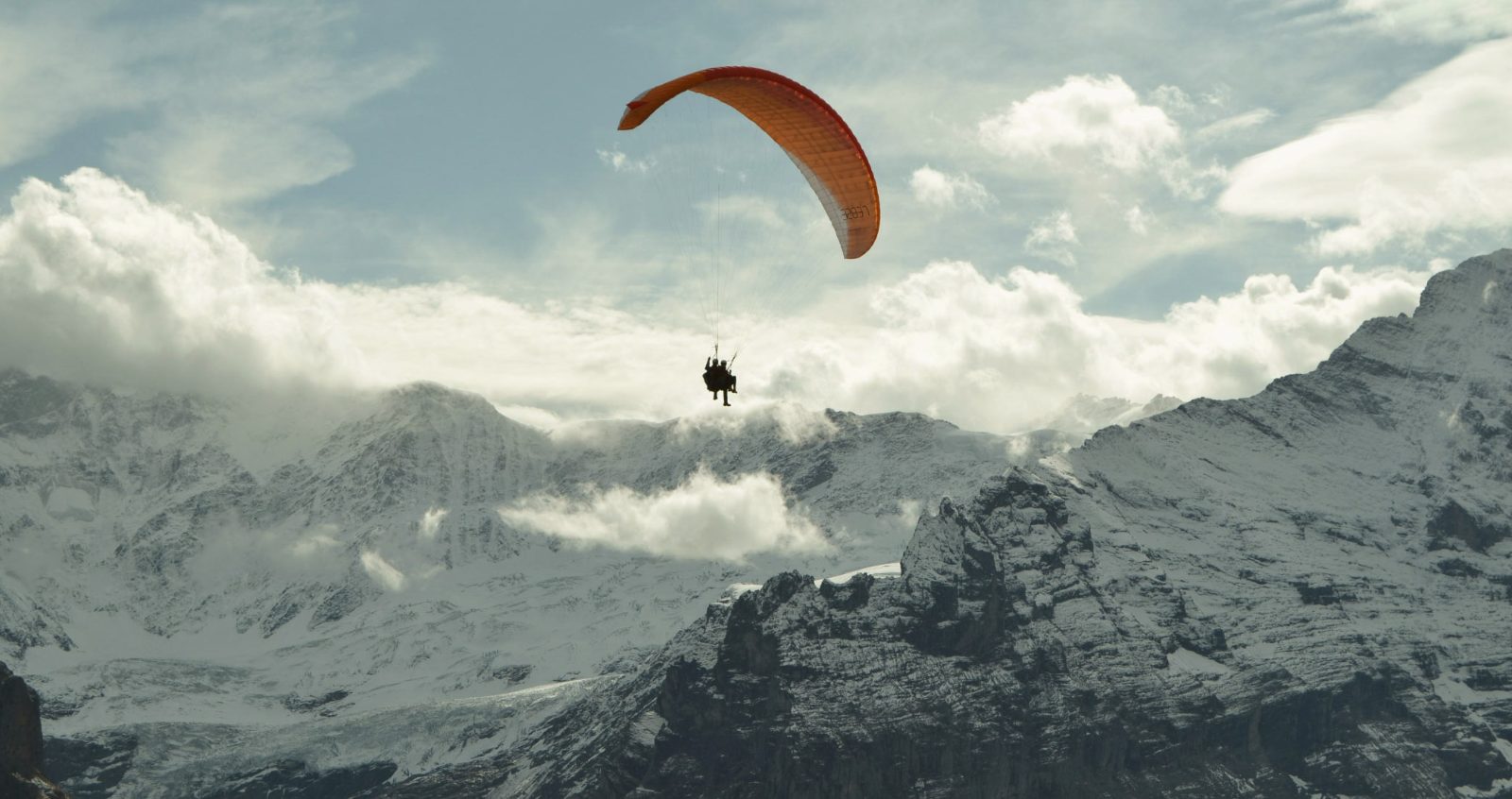
Paragliding in Switzerland in October is fully operational, with tandem flights available daily from 08:00 to 19:30 and priced from 180 CHF per person. Autumn conditions deliver calmer thermals than summer, clearer visibility after morning fog lifts, and significantly fewer crowds at launch sites. Morning slots between 08:00 and 12:00 offer the most reliable weather windows, as afternoon winds intensify and cloud cover increases through the month. Temperature drops require layered clothing, and earlier sunsets limit late-afternoon departures.
October marks the final weeks of the extended paragliding season across the Bernese Oberland, when thermal activity moderates and visibility improves. The month's reputation among tandem operators rests on predictable morning conditions: stable air masses settle overnight, fog clears by mid-morning, and wind speeds remain manageable until early afternoon. Flight operations continue without seasonal reduction in hours, though demand drops sharply after the last school holiday week. Autumn thermals behave differently than summer columns. Cooler ground temperatures produce gentler lift cycles, which translates to smoother rides for first-time flyers but less dramatic altitude gain. Pilots adjust launch timing to coincide with the brief window when valley fog dissipates and before the afternoon Bise arrives from the northeast. Cloud base typically sits between 2,800 and 3,400 meters through October, lower than midsummer but sufficient for standard tandem routes over the Lauterbrunnen Valley and Thunersee. Temperature at altitude becomes the critical variable. Ground-level readings in Interlaken range from 8°C to 15°C during October, but at 2,000 meters the air hovers near freezing by month's end. Operators provide windproof jackets, yet passengers arrive underprepared for the temperature differential. Layered clothing, gloves, and closed-toe shoes shift from optional to necessary. The same cooling trend that creates stable air also shortens the operational day—sunset moves from 19:15 at month start to 18:30 by Halloween, compressing the post-lunch flight window. Booking patterns reflect the seasonal transition. Walk-in availability increases after the first week, though weather cancellations rise in parallel. A two-day buffer in your itinerary accounts for the higher likelihood of morning fog delays or wind holds. The tradeoff for October's variability is solitude: launch sites that require queuing in July operate with single-flight intervals, and the absence of summer crowds allows longer pre-flight briefings and flexible rescheduling.
“October's moderate thermals and clear post-fog visibility create ideal conditions for first-time tandem passengers seeking smooth alpine flights.”
Paragliding in Switzerland in October: Weather and Seasonal Conditions
October serves as a viable shoulder season for paragliding in the Swiss Alps, characterized by calmer air and stable conditions. Arriving during the best arrival window of 08:00–12:00 provides the most consistent flights before daily thermal shifts occur.
October Mornings
Low crowdsStable, calm air; 5°C to 14°C
Morning flights benefit from cool, steady winds and clear visibility. Early snow may appear at higher altitudes, while valley fog can occasionally delay departures.
Mid-October
Low crowdsCooler air; 3°C to 12°C
Daytime temperatures drop, but air density remains favorable for lift. Prepare for brisk conditions at higher launch points.
Late October
Minimal crowdsCold; -1°C to 9°C
Clear, crisp days are common, though the risk of early alpine snowfall increases. Flights rely on stable high-pressure systems.
Verdict: The best window for paragliding in October is between 08:00 and 12:00 to utilize the most stable alpine conditions.
Daily Opening Hours for Paragliding in Switzerland in October
Paragliding operations in Interlaken maintain consistent daily access throughout the month of October. The center remains open seven days a week to accommodate flight schedules.
| Monday | 08:00–19:30 | |
|---|---|---|
| Tuesday | 08:00–19:30 | |
| Wednesday | 08:00–19:30 | |
| Thursday | 08:00–19:30 | |
| Friday | 08:00–19:30 | |
| Saturday | 08:00–19:30 | |
| Sunday | 08:00–19:30 |
How to Reach Your Flight Location for Paragliding in Switzerland in October
The flight location is situated in central Interlaken at Höheweg 125, 3800 Interlaken, Switzerland. Public transit is the most efficient method for reaching the meeting point, as the area is well-connected by the Swiss rail network.
SBB line to Interlaken Ost station
PostBus to Interlaken, Höheweg stop
A8 motorway to Interlaken exit, follow signage to Höheweg
Pre-Visit Checklist for Paragliding in Switzerland in October
October flights require preparation for alpine autumn conditions and advance coordination with operators.
-
Book your tandem flight in advance — Slots fill quickly during autumn weather windows.
-
Confirm your reservation 24 hours prior — Operators may reschedule due to October wind conditions.
-
Pack windproof layers and warm clothing — Temperatures drop significantly at altitude in autumn.
-
Wear sturdy closed-toe footwear — Launch and landing sites require secure footing on alpine terrain.
-
Bring a copy of your booking confirmation — Operators require proof of reservation at check-in.
-
Arrive during the 08:00–12:00 window — Morning conditions offer the most stable October flying weather.
-
Check the forecast the evening before — October weather can shift overnight in the Alps.
Check availability
Common questions about paragliding in Switzerland in October
Everything you need to know about paragliding in switzerland in october